
“Man is an almost hopelessly conceited animal. He thinks that not only the earth with all that it contains was created for his essential benefit, but also the sky, the sun, and indeed, the whole universe, as far as he has any knowledge of it, were designed for his purposes and welfare.
The sun shines to warm him; the earth brings forth fruits to feed him; the mountains contain metals that he may use them; the mines produce coal that he may work his machinery and cook his dinners. He is the standard by which everything must be measured. What he does not care for has no value. The flowers which he does not see are said, in practical language, ‘to waste their sweetness on the desert air’.
When this is his view of inanimate nature, the world of life by which he is surrounded, of course, meets with no more respectful treatment. The animals whom he can use were, according to his view, created for that purpose by a beneficient Creator – the horse to draw his burdens, the cow to give her milk, the cat to kill mice for him. Even those animals whom he cannot use directly are held to be connected in some mysterious way with his welfare, as otherwise, he says, why should they exist? The Eton boy who wrote in defence of the Eton beagles that ‘the hare is a useless animal, you must own, and the only use to be made for it is for the exercise of human beings’, is typical of many others.
Man is the head, the apex of creation, towards whom God has been working from the beginning of time, and when he leaves this world he will find a special heaven prepared for him where no one else may enter except angels, and they, even, will not be superior to him, for he will be one himself then.
Truly a conceited being is this pigmy, whose knowledge of the universe is limited to what he can learn from or guess at by his five very imperfect senses, and a paltry undeveloped intellect which is ever palpably leading him astray”. – Ernest Bell in a 1927 pamphlet – ‘Superiority in the Lower Animals’.
pigmy – (lowercase) adjective- of very small size, capacity, power, etc.
……
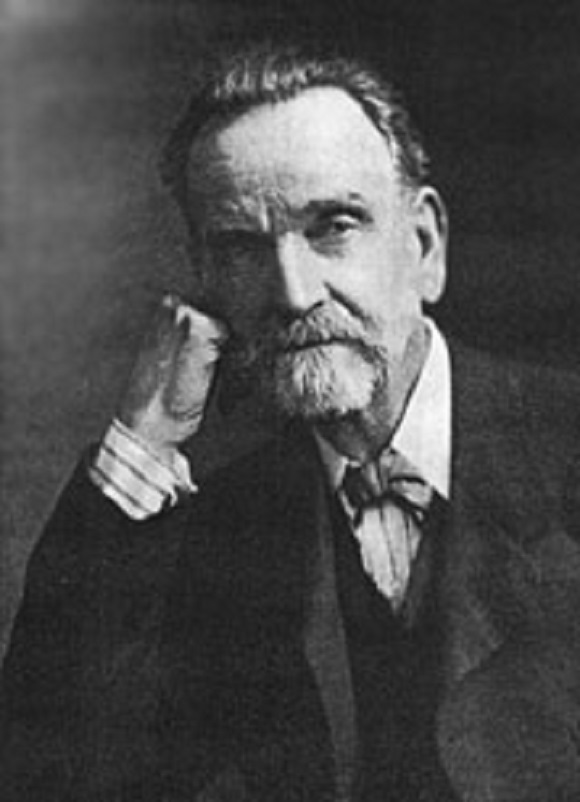
Ernest Bell
See here for much more about Ernest Bell. We adore him! He was a vegan pioneer 50+ years before the birth of ‘The Vegan Society’.
In 1892 – in Ernest Bell’s Preface to the book – Mrs Bowdich’s New Vegetarian Dishes – 1892 editions & later – he uses the term: – ‘thorough-going vegetarians’ in the place of our current word ‘vegans’.
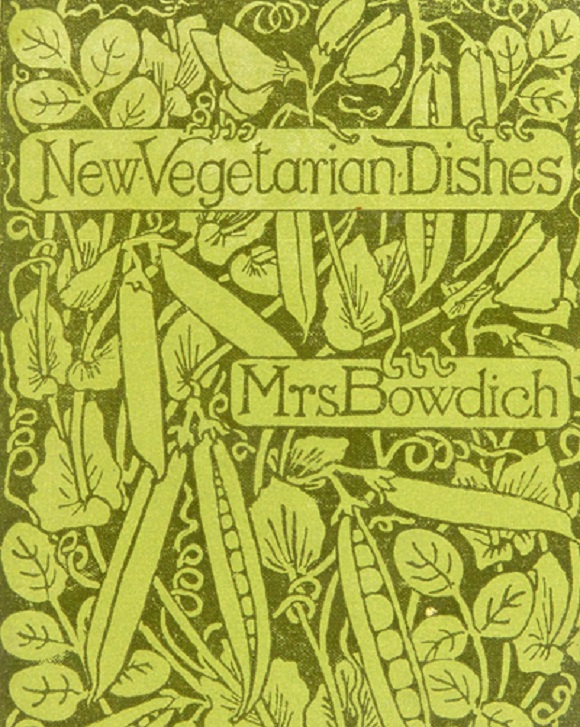

Read Mrs Bowdich’s New Vegetarian Dishes in full.
……
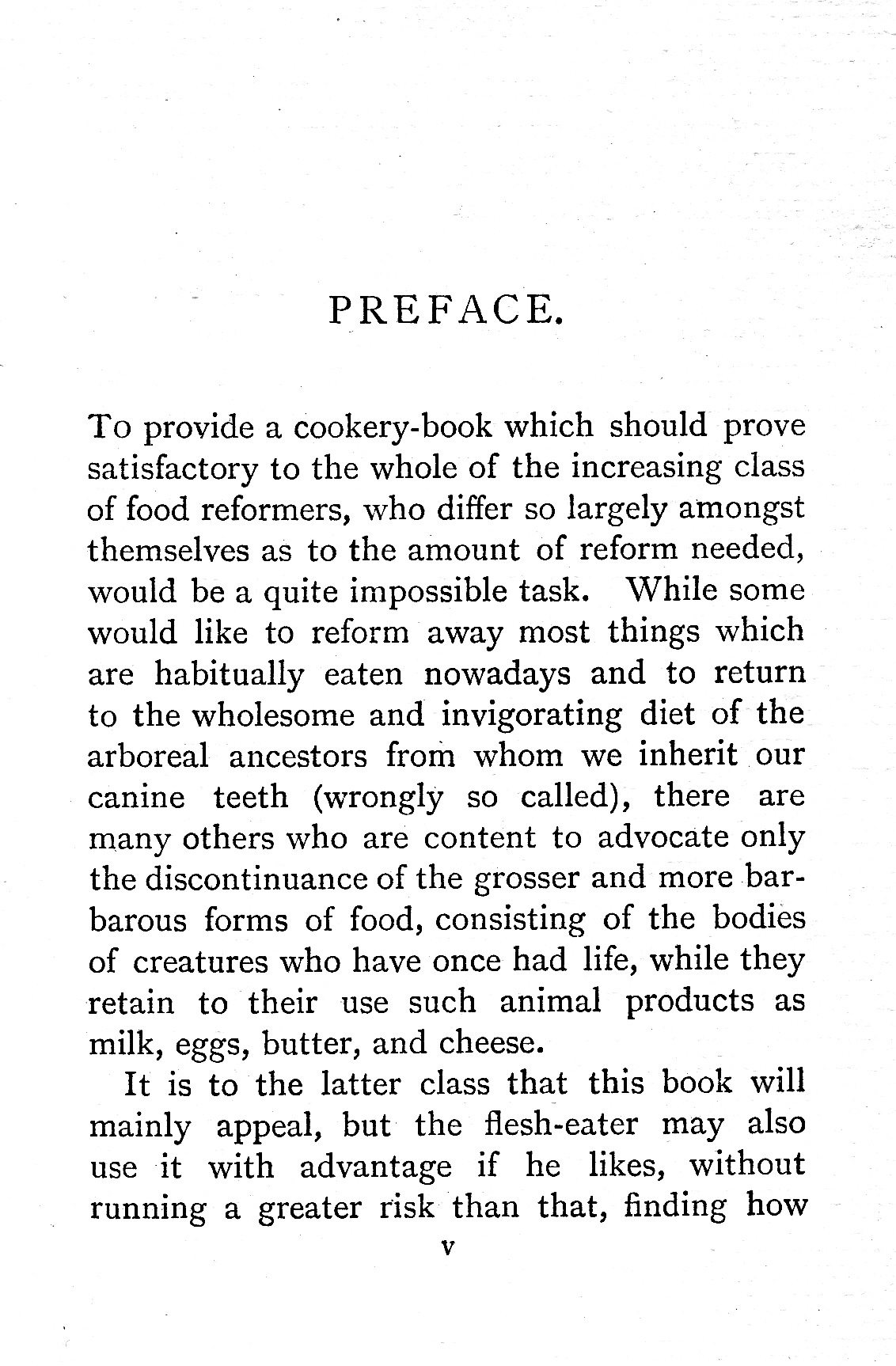
In 1905 – in his Preface to the book Italian Recipes for Food Reformers. by Maria Gironci – Ernest Bell’s sense of humor & love of language shine out even more brightly! What we now call ‘veganism’ is described with the rather unmanageable phrase, the ‘…wholesome and invigorating diet of the arboreal ancestors from whom we inherit our canine teeth (wrongly so called),…’.



No Comments